







Planning a Kickstarter? You need physical decks in hand well before day one. To avoid a delayed launch and unnecessary stress, mastering card game prototype printing is the most critical step of your journey.
As a manufacturing partner who has guided countless independent designers from initial sketches to fully funded campaigns, we see the same panic on the factory floor every season. Creators scramble at the last minute because they severely underestimate the time it takes to get physical copies made right. You can’t just hit “print” and expect a casino-grade deck to appear on your doorstep in three days.
This guide is written straight from the manufacturer’s desk to help you avoid common traps, understand the factory process, and lock in a timeline that actually works.
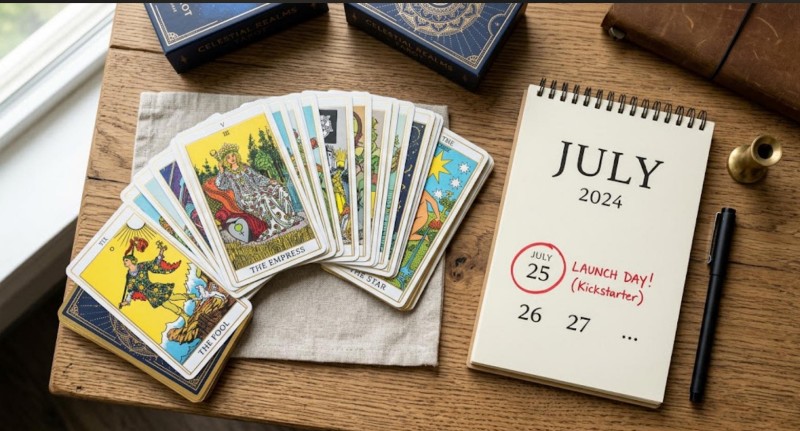
The Reverse-Engineered Timeline: Why 60 Days is Your “Drop-Dead” Deadline
“When should I order prototypes for my Kickstarter campaign?”
A question we hear almost daily from stressed creators. The brutal truth is, if you’re asking this a month before your launch date, you’re already behind. Proper Kickstarter pre-launch prep requires a strict 60-day runway. We always advise creators to plan backward from their target launch date:
- Day -60 to -50 (File Prep): This window is for prepress back-and-forth. You submit your files, our engineers check them, and you fix any bleed or color issues.
- Day -50 to -35 (Manufacturing): This is the time on the factory floor required to print, cut, assemble, and box your small-batch samples.
- Day -35 to -28 (Transit): International express shipping (via DHL or FedEx) from our production facility directly to your door.
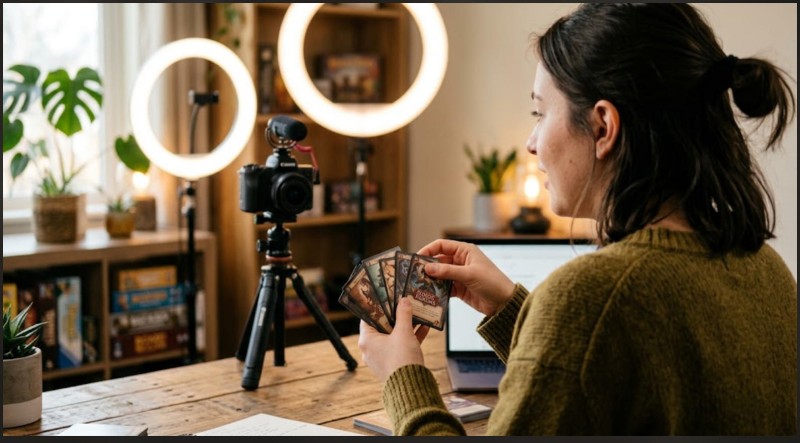
- Day -28 to Day 0 (Marketing): You need this entire month to mail out review copies to board game influencers. They need time to actually play your game, film their reviews, and edit their promo videos before you go live.
The Factory Reality: Digital vs. Offset Custom Card Printing
“Can I print just 5 copies of a custom card game?”
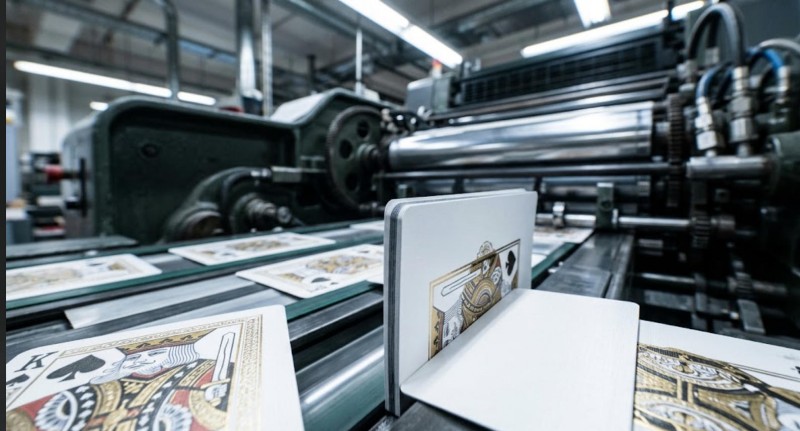
Yes, absolutely. But to understand the timeline and cost, you need to look behind the curtain at how it’s done. When creators ask us how long board game prototyping takes, they often assume we just put their files on the same massive Heidelberg offset presses used for final mass production.
In reality, setting up heavy offset machinery for just 5 decks would cost thousands of dollars in custom metal printing plates alone. This brings us to the classic digital vs. offset card printing hurdle. Small batches are printed on high-end digital presses, while your final backers will receive offset-printed copies.
So, will your prototype feel like the final game?
If you use a cheap print-on-demand website, the answer is no. However, a professional factory bridges this gap. When we run your prototypes, we print them on the exact same premium 330gsm German Black Core paper that will be used for your mass production. Furthermore, our engineers meticulously calibrate our digital ICC color profiles to match our Heidelberg offset presses. This means the reviewers shuffling your prototype will feel the true casino-grade “snap” and see the exact colors your final backers will receive.
The 3 Silent Killers of Your Schedule
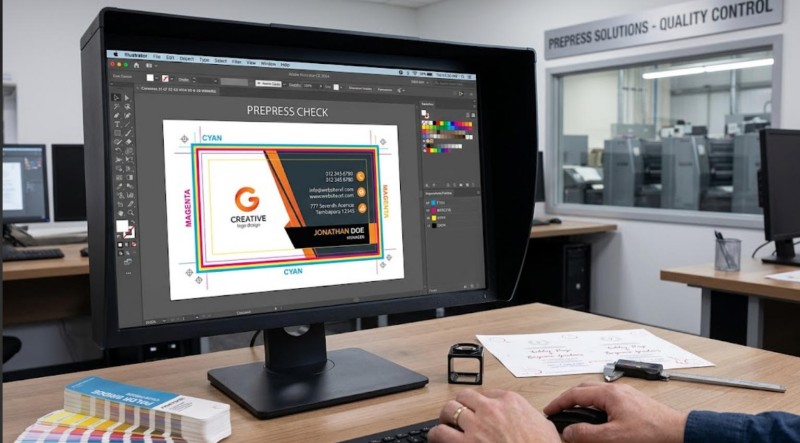
We hate rejecting your files just as much as you hate receiving that email. Nothing burns through your 60-day timeline faster than file errors. Here are the top three reasons prototyping gets delayed on the prepress floor:
- Missing Bleed Margins: If your artwork ends exactly at the cut line, even a 1mm shift in the cutting blade will leave ugly white borders. Always extend your artwork 3mm past the cut line.
- RGB Color Mode: Screens display in RGB (light), but printing presses use CMYK (ink). If you submit RGB files, the machine will convert them automatically, often turning your bright, neon colors into muddy, dark tones.
- Complex Custom Packaging: Printing the cards is fast, but hand-crafting 5 custom magnetic rigid boxes with foil stamping is slow. For prototypes, keep the packaging simple (like a standard tuck box) to save weeks of waiting.
Make Your Prototyping Cost Work For You
We know that creating a highly customized, ultra-low-volume prototype is a significant investment for an indie creator. Hand-crafting 5 decks takes nearly as much prep work as printing 500.
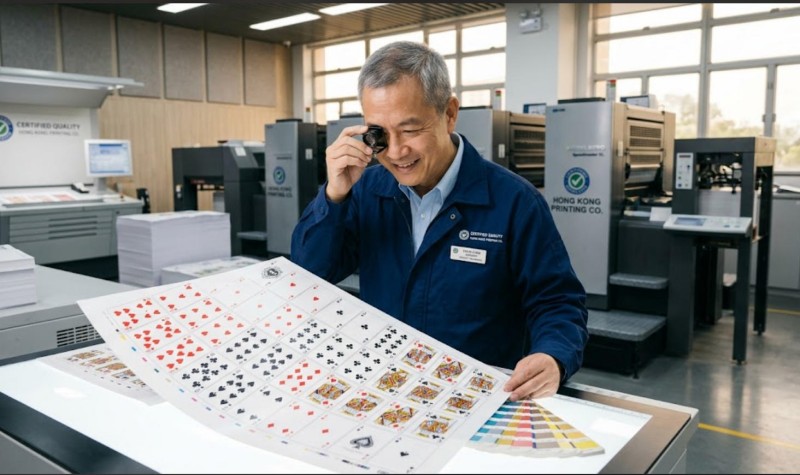
But here’s a factory secret: you shouldn’t treat this as a sunk cost. We view prototyping as the ultimate test run to ensure everything is flawless. If your campaign hits its funding goal and you proceed with mass production at our facility, we typically credit the initial prototyping costs toward your final invoice. It’s not an expense; it’s a down payment on your final success.
Stop The Clock. Let’s Build Your Plan.
Your Kickstarter launch date is approaching, and every single day counts. Don’t waste another week guessing about paper weights or arguing with automated print-on-demand bots that can’t answer your specific manufacturing questions. It’s time to talk directly to the engineers who will actually be building your game.
Spots for 1-on-1 engineering reviews fill up fast during Kickstarter season.Ready to stop guessing and start building?
Book a 1-on-1 Prototype Engineering Assessment with our team today. Send us your current artwork, tell us your target launch date, and we will map out a concrete, customized schedule to get those perfect samples into your reviewers’ hands right on time.